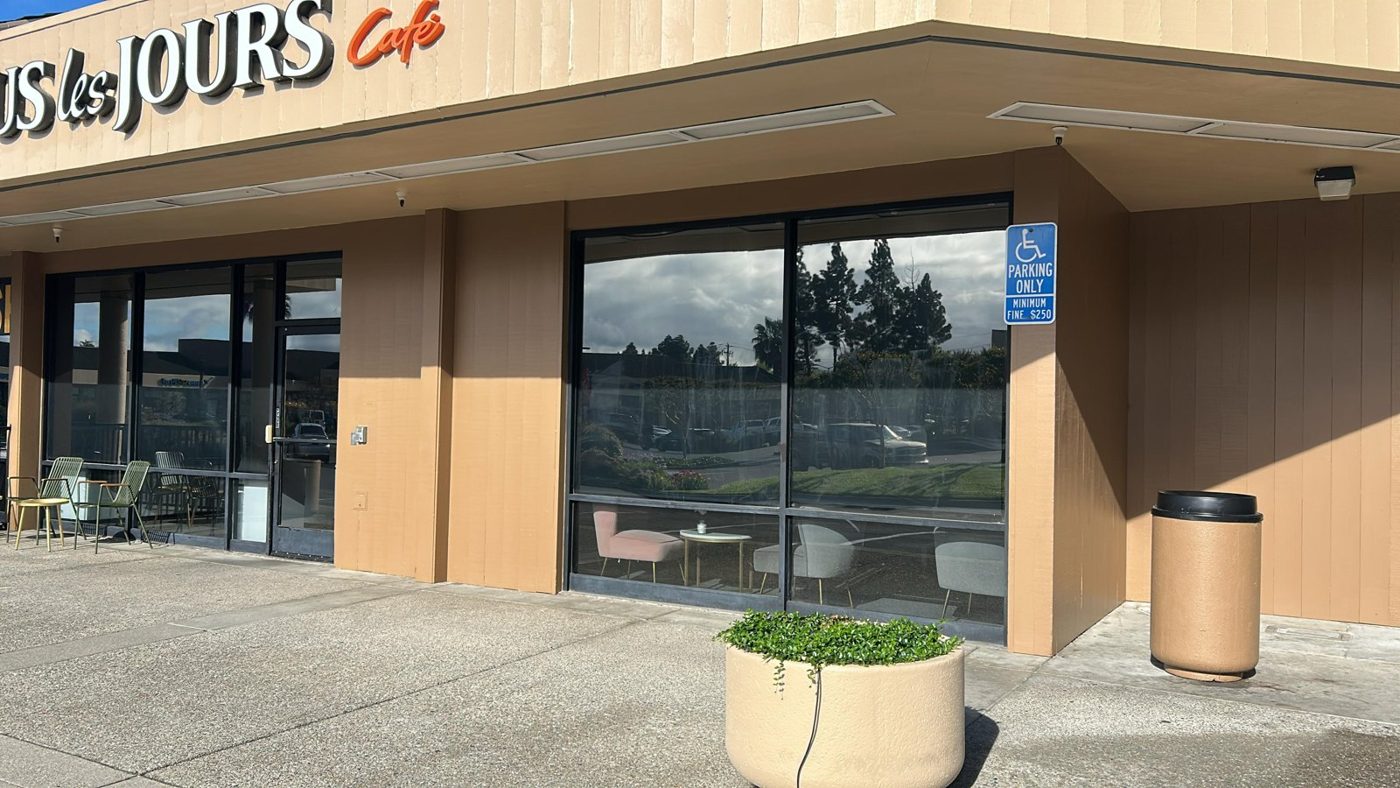
For many restaurants, the best tables are by the window—until the afternoon sun arrives. Guests squint, ask to move, or leave sooner. Staff deal with a hot dining room, and the air-conditioning works harder during the busiest hours.
Restaurant window tinting uses professionally installed solar control film to reduce heat and glare at window tables while keeping the dining room bright and visible from the street. The right film helps the front of house stay comfortable without making the restaurant look closed.
This guide is for Bay Area restaurant, cafe, bar, and bakery owners, as well as the property managers who lease to them, considering professional commercial window tinting.
Common restaurant window problems
- Hot window seating: West- and south-facing glass can make tables uncomfortable during lunch and dinner.
- Glare: Bright reflections on tables, screens, and POS terminals make it harder for guests and staff.
- Faded interiors: UV rays fade upholstery, booths, wood finishes, and printed decor over time.
- Private areas: Kitchens, back offices, and restrooms may need privacy without blocking light.
- Vandalism: Scratches and etching on front glass are expensive to replace.
Keep the restaurant looking open
A restaurant needs passersby to see guests, lighting, and atmosphere inside. Very dark or highly reflective film can make the space look empty or closed during the day. For most dining rooms, start by comparing lighter solar control films with lower exterior reflectivity, then view samples from the sidewalk and from inside the dining room.
Keep in mind that reflective film offers daytime privacy only when it is brighter outside. In the evening, when the dining room is lit, people outside can see in. That is usually what a restaurant wants. For more on choosing film without hiding the interior, read our storefront window tinting guide.
Different windows, different films
Many restaurants use more than one product:
- Dining room glass: solar control film for heat and glare reduction.
- Kitchen, office, or restroom windows: frosted film for privacy that still lets light in.
- Branding and partitions: decorative film for patterns, bands, or glass divider privacy.
- Front doors and lower panes: anti-graffiti film, a replaceable layer that helps protect glass from scratching and etching.
- After-hours protection: safety and security film helps hold broken glass together and can delay entry. It does not make glass unbreakable.
Plan installation around your hours
Restaurants cannot easily close for a day. Professional installers can often schedule work before opening, between services, or on a closed day, and work section by section. Ask about the expected installation time for your number of panes, how to clean the glass during curing, and any landlord or property-manager approval needed before work starts.
What affects the cost
Pricing depends on total glass area, pane sizes, film type, access (high transoms or ladders), removal of old film, and whether you combine solar control, privacy, and protection films. Combining products in one visit is usually more efficient than scheduling separate projects.
Get a restaurant window film estimate
Low Price Window Tint installs commercial window film for restaurants, cafes, and storefronts across Dublin, Pleasanton, San Ramon, Livermore, Walnut Creek, and the greater Bay Area. Send photos of your front windows, which way they face, and the hours when the sun is a problem. Request a commercial estimate or call 925-515-2979.