A storefront window has two jobs: bring daylight into your business and let customers see what is inside. When direct sun makes the front of your shop hot or creates glare at the checkout counter, covering the glass with the darkest film is not necessarily the right answer.
For a display-focused storefront, start by comparing glass-compatible solar control films with suitable visible light transmission and low exterior reflectivity. Then evaluate samples from the sidewalk and inside the business. Some heat-reduction films preserve more visibility than dark or highly reflective options, but no film guarantees unchanged views in every lighting condition.
This guide is for Bay Area shop owners, restaurant operators, tenants, and property managers seeking professional commercial window film installation, rather than film rolls or DIY kits.
Start with what your storefront needs to show
Before choosing a shade, identify what customers should be able to see through each pane. A clothing display, a cafe seating area, and a private consultation room have different priorities—even within the same business.
- Merchandise and window displays: prioritize a welcoming view from outside and check whether the film changes how colors appear.
- Customer seating near the glass: balance solar heat reduction with daylight and the outside view.
- Registers and screens: glare control may justify a different film choice from the main display windows.
- Back-office or consultation spaces: privacy may matter more than visibility; localized frosted film can make more sense than darkening the entire storefront.
Measure the problem by window, not just by total square footage. Note where sunlight enters, when staff or customers feel uncomfortable, and whether the issue is heat, glare, visibility, or a combination.
Compare heat rejection, light transmission, and reflectivity separately
Film darkness is not a complete measure of performance. Ask to compare the proposed film's specifications on the relevant glass type:
- Visible light transmission (VLT): how much visible light passes through the glazing. Higher transmission generally preserves more daylight, but it does not by itself guarantee clear display visibility.
- Total solar energy rejected (TSER): a useful measure of overall solar heat rejection. Compare ratings on the same glass basis, rather than relying only on an infrared-rejection claim.
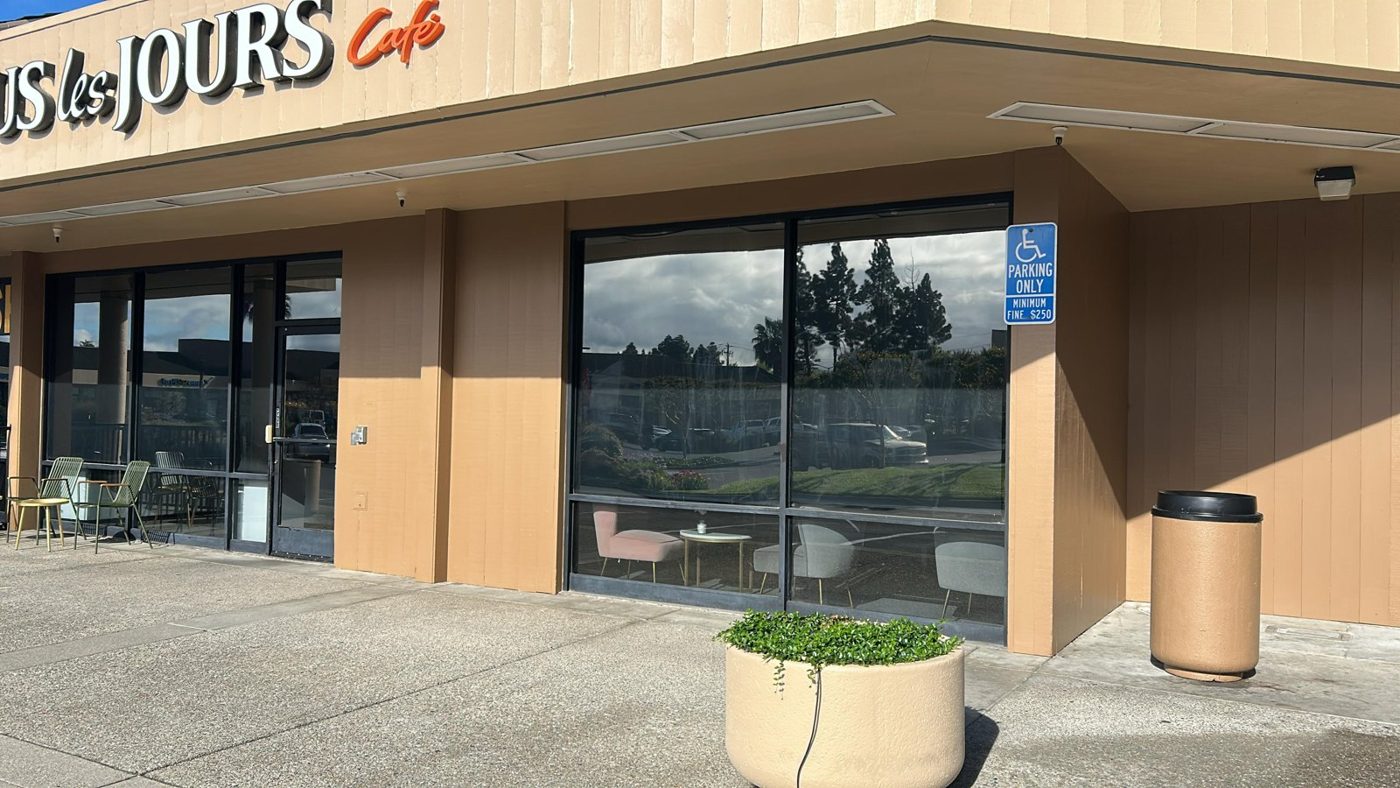
- Exterior visible reflectance: how reflective the glass looks from the sidewalk. This matters when shoppers need to see your products rather than a reflection of the parking lot.
- Interior reflectance: relevant to the view out, especially when the business is brightly lit after dark.
Our window film performance ratings guide explains these terms in more detail. Actual comfort and energy savings depend on the building, glass, exposure, selected film, and operating conditions—not a universal percentage.
Which type of film suits a display-focused shop?
Lower-reflectivity solar control films are worth considering when the priority is reducing solar heat while retaining daylight and an inviting exterior. Certain spectrally selective or ceramic products may fit this goal, but the word “ceramic” is not a substitute for reviewing product-specific light transmission, reflectance, and glass compatibility.
Reflective or darker solar films may suit windows where stronger glare reduction or daytime privacy matters more than seeing the interior from outside. They can change the storefront's appearance, so sample them before approving a whole elevation. One-way mirror films achieve their reflective effect through a thin metallized layer—not a ceramic layer.
Frosted and decorative films obscure views intentionally. Consider them for selected panels, office partitions, or private rooms rather than windows used to showcase merchandise. See our professionally installed frosted film options.
Check a sample from both sides—and after dark
Ask to evaluate the proposed film on your actual glass before making a final selection. Existing glass color, interior lighting, nearby buildings, and the brightness outside can all affect appearance.
- Stand where customers approach and check whether the display remains readable.
- Look out from the register or seating area to assess glare and changes to the view.
- Compare the samples when sunlight is causing the problem, not only at a convenient appointment time.
- Check the storefront with interior lights on after dark if evening visibility matters.
Reflective film does not guarantee nighttime privacy. Its privacy effect depends on the difference in light levels on each side of the glass. A brightly lit interior can be visible from outside at night. If a room needs privacy day and night, consider frosted film or a separate covering; see our one-way mirror film guide for the tradeoffs.
Heat control, anti-graffiti protection, and security are different jobs
A standard solar control film should not be treated as a complete solution for vandalism or forced entry.
- Solar control film addresses solar heat and glare, with performance depending on the product.
- Anti-graffiti film is a sacrificial protective layer intended to take surface damage such as scratches or etching. Damaged film can be removed and replaced; it cannot repair glass already damaged underneath.
- Safety and security film helps retain glass fragments after breakage. It does not make glass unbreakable or guarantee that an intruder cannot enter. Performance depends on the film, glazing, frame, and any specified attachment system.
If your storefront needs more than one function, ask for a compatible system and installation scope. Do not assume that any films can be layered together without affecting compatibility or warranty coverage.
Get the glass and landlord approval right
Storefronts can contain different glazing types in the doors, display panes, and upper windows. Film selection should account for the glass construction, coatings, condition, shading, and applicable manufacturer recommendations. Some insulating or low-E glass combinations require particular care; our dual-pane glass compatibility guide explains why an assessment matters.
If you lease the space, confirm who can approve changes to the exterior appearance. Give the property manager the proposed film specifications and scope before installation. For several storefronts or a shopping center, use our property manager estimate page to describe the project.
What affects storefront window tinting cost?
The installed price depends on the film selected, pane dimensions, total area, access, existing film removal, and any additional protection or attachment requirements. A solar-only installation and a security-film system are different scopes, so compare written proposals on more than a per-square-foot price.
Also confirm the preparation needed around displays, installation timing, product-specific curing and cleaning instructions, and the manufacturer's warranty terms. Do not assume every commercial film has a lifetime warranty or that installation requires closing the shop; discuss scheduling and access for your particular business.
Request a Bay Area storefront installation estimate
Low Price Window Tint is based in Dublin and serves commercial properties throughout the San Francisco Bay Area, including Pleasanton, Livermore, San Ramon, Walnut Creek, Concord, Oakland, Hayward, and Fremont. We are a licensed California contractor, CSLB #1135467, and Diamond Certified as CHBB Inc.
To start an estimate, send your business location, clear interior and exterior photos, approximate pane dimensions, and your main goal. Mention existing film, landlord approval requirements, and when the sun causes the problem. Photos can help with an initial review; glass compatibility and final scope may require an on-site assessment.
Tell us that display visibility is a priority. That helps our team compare appropriate film options rather than simply selecting a dark shade. Call 925-515-2979 or request a commercial consultation below.