If your home in Dublin, CA feels too hot in the afternoon, your first thought may be, “Do I need to replace my windows?”
Sometimes the answer is yes. But in many cases, professional residential window film can solve heat, glare, UV, and comfort problems without replacing the glass.
Window replacement and window film are not the same product. They solve different problems. Replacing windows can help with damaged frames, failed seals, air leaks, and old inefficient glass. Window film is usually a better first step when the glass is still in good condition but the room feels too hot, too bright, or uncomfortable because of direct sunlight.
At Low Price Window Tint in Dublin, we help homeowners throughout Dublin, Pleasanton, San Ramon, Livermore, Danville, Castro Valley, and the Tri-Valley choose the right window film based on their glass type, goals, and budget.
Why Dublin Homes Get So Hot
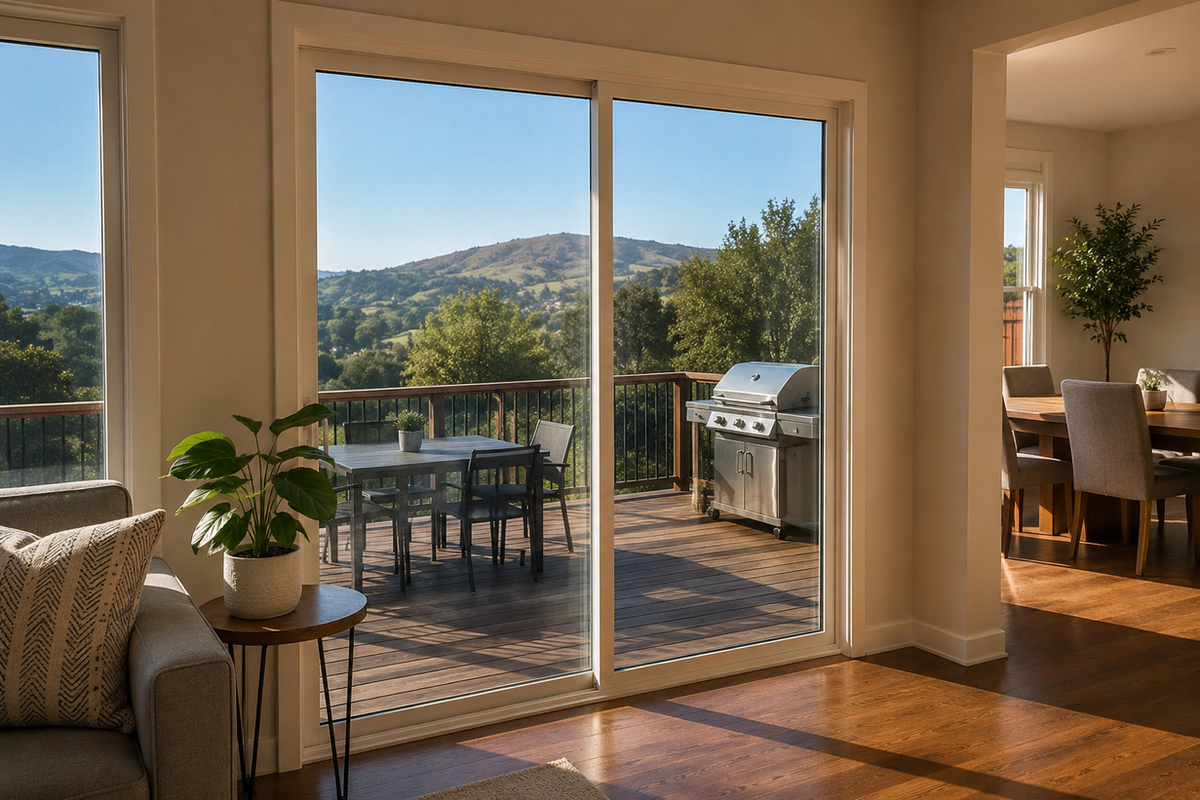
Many homes in Dublin and the Tri-Valley have large windows, sliding glass doors, upstairs bedrooms, home offices, and west-facing rooms that get hit hard by afternoon sun.
When sunlight passes through glass, it brings more than visible light. It also brings solar heat and UV exposure. The International Window Film Association explains that solar energy can be reflected, absorbed, or transmitted through glass. That is why two rooms in the same house can feel completely different depending on window direction, shading, glass type, and sun exposure.
This is also why simply closing blinds does not always fix the problem. Blinds may reduce brightness, but the solar energy has already entered through the glass. The room can still heat up, especially during hot afternoons.
What Window Replacement Actually Solves
Replacing windows can be the right move when the window itself has a physical or structural problem.
Window replacement may make sense if:
- The glass is cracked or broken
- There is moisture or fogging between the panes
- The frame is leaking air or water
- The window does not open or close properly
- The insulated glass unit has failed
- The home needs a full remodel or frame upgrade
- The existing windows are very old and inefficient
New windows can improve insulation, reduce drafts, and update the appearance of the home. But replacement windows are usually a much bigger project. They often involve higher cost, longer installation time, construction disruption, and possible changes to the exterior look of the home.
If your main issue is direct sun, heat, glare, UV, or daytime privacy, replacing the entire window may not be the most efficient first step.
What Residential Window Film Actually Solves
Residential window film is applied directly to the existing glass. It is designed to improve the performance of your current windows without removing them.
Depending on the film selected, window film can help with:
- Heat reduction
- Glare reduction
- UV protection
- Daytime privacy
- Fading reduction
- Comfort in hot rooms
- More usable home offices, bedrooms, and living areas
- Improved appearance from the outside
The key is choosing the right film. Some films are darker and more reflective. Some are more neutral and natural-looking. Some are designed for maximum heat rejection. Others are designed to preserve more light and view while still improving comfort.
There is no single “best” film for every home. The right choice depends on your glass type, exposure, privacy goals, heat problem, glare level, and how much you want the look of the windows to change.
Window Film vs Replacing Windows: The Simple Comparison
Category | Window Film | Window Replacement |
Best for heat from direct sun | Yes | Sometimes |
Best for glare reduction | Yes | Sometimes |
Best for UV protection | Yes | Sometimes |
Best for daytime privacy | Yes | No, unless glass type is changed |
Best for failed seals or foggy glass | No | Yes |
Best for broken or damaged windows | No | Yes |
Best for air leaks or frame issues | No | Yes |
Installation disruption | Lower | Higher |
Changes exterior appearance | Depends on film | Often changes window/frame appearance |
Cost level | Usually lower than full replacement | Usually higher |
Custom film options | Many | Depends on window product |
The honest answer is this: window film is not a replacement for bad windows. But if your windows are in good condition and your problem is sun, heat, glare, UV, or privacy, film is often the smarter first option.
When Residential Window Films are the Better First Move
Window film is usually worth considering first when the glass is still in good condition but the room is uncomfortable.
For example:
- Your living room gets too hot in the afternoon
- Your upstairs bedroom feels warmer than the rest of the house
- Your home office has screen glare
- Your furniture, floors, or artwork are exposed to direct sun
- You want daytime privacy without losing the view completely
- You want to reduce heat but avoid the cost of replacing windows
- Your sliding glass doors bring in too much sun
- Your west-facing windows make the room hard to use
For many Dublin homeowners, the problem is not that the window is broken. The problem is that too much solar energy is coming through the glass.
That is exactly where the right window film can help.
When Replacing Windows May Be the Better Option
We do not recommend window film as a “fix” for glass or frame problems. If the window has already failed, film will not repair it.
Window replacement may be better if:
- There is condensation between panes
- The glass seal has failed
- The window leaks water
- The frame is damaged or rotting
- The window has major air leaks
- The glass is cracked
- The window does not function properly
- You want new frames, new style, or full remodeling
In those cases, replacing the window may be the right long-term investment.
The mistake is assuming every hot room needs new windows. Many homes simply need better solar control.
Film Compatibility Matters
This is one of the most important parts homeowners should understand.
Not every window film is safe for every type of glass. Different glass types react differently to heat absorption. Dual-pane glass, Low-E glass, tinted glass, laminated glass, and tempered glass may require different film recommendations.
A professional installer should consider:
- Single-pane or dual-pane glass
- Clear, tinted, Low-E, or coated glass
- Interior vs exterior installation
- Amount of direct sun exposure
- Existing shading
- Window size
- Film darkness and absorption
- Manufacturer film-to-glass compatibility guidelines
This is why we do not recommend choosing film only by darkness, price, or online pictures. A film that looks good may not be the best technical match for your glass.
Does Window Film Help With Energy Savings?
Window film can help reduce solar heat gain, which may reduce how hard your air conditioning system has to work in sunny rooms.
But energy savings are not the same for every home. They depend on:
- Window direction
- Glass type
- Film selected
- Square footage of glass
- HVAC usage
- Shading from trees, patios, or neighboring buildings
- Indoor temperature settings
- Weather conditions
- How much sun the room gets
The better way to think about window film is this:
Window film improves comfort first. Energy savings may follow depending on the home.
For many homeowners, the immediate benefit is not just the utility bill. It is being able to use the room comfortably during the day.
What About Glare?
Glare is one of the biggest reasons homeowners contact us.
If you have trouble watching TV, working on a computer, using a home office, or sitting near a bright window, window film can make a major difference.
Darker films usually reduce more glare, but they also change the appearance of the glass more. Lighter films preserve more natural light, but they may not reduce glare as aggressively.
That is why the best film depends on your goal. If glare is the main problem, we may recommend a different film than we would for a homeowner whose main concern is heat or privacy.
What About Fading?
Window film can help reduce fading, especially by blocking a large amount of UV exposure. This can help protect floors, furniture, artwork, rugs, and interior finishes.
However, no window film can completely stop fading. Fading can also come from visible light, heat, humidity, material quality, and other environmental factors.
The realistic promise is this:
Window film can reduce fading risk, but it cannot fully prevent fading forever.
Any company that tells you film will completely stop fading is overselling it.
What About Privacy?
Window film can also improve daytime privacy, but the type of privacy matters.
Reflective or one-way privacy films work best during the day when it is brighter outside than inside. At night, if the lights are on inside, people may still be able to see in.
Frosted privacy film is different. It blocks the view both day and night, but you also lose the clear view through the glass.
For street-facing windows, bathrooms, front doors, office glass, and side-yard windows, privacy film can be a strong alternative to blinds or curtains.
Best Areas of the Home for Window Film
Window film is especially useful for:
- West-facing living rooms
- Sliding glass doors
- Upstairs bedrooms
- Home offices
- Street-facing windows
- Rooms with large glass areas
- Rooms with hardwood floors or furniture exposed to sun
- Dining rooms and kitchens with afternoon glare
- Windows near patios, pools, or side yards
If one room is noticeably hotter or brighter than the rest of the house, that is usually a good place to start.
Should You Tint Every Window?
Not always.
Some homeowners tint only the problem windows. Others tint a full elevation of the home so the glass has a consistent appearance from the outside.
If the windows are on the front of the home, appearance matters more. Tinting only one or two windows may create a visible difference. In that case, it may look better to tint all matching front-facing windows.
If the problem is in a back room, upstairs room, or sliding door area, tinting only those windows may be enough.
A professional consultation can help decide whether a partial installation or full-section installation makes more sense.
The Bottom Line
If your windows are damaged, leaking, fogged, or failing, replacing them may be the right decision.
But if your windows are in good condition and your main problems are heat, glare, UV exposure, fading, or daytime privacy, professional window film is often the smarter first step.
It is faster, less disruptive, and usually more cost-effective than full window replacement. More importantly, it directly targets the solar heat and glare problems that many Dublin and Tri-Valley homeowners deal with every day.
Get a Residential Window Film Quote in Dublin, CA
Low Price Window Tint provides professional residential and commercial window film installation in Dublin, CA and surrounding Tri-Valley cities, including Pleasanton, San Ramon, Livermore, Danville, Castro Valley, and nearby Bay Area communities.
To get a quote, send us:
- Photos of the windows
- Approximate measurements, if available
- Your city
- Your main goal: heat, glare, privacy, UV protection, fading reduction, or security
We can help you compare film options and choose the best solution for your home before you spend thousands replacing windows unnecessarily.