If you’ve been researching window tint for your home, you’ve probably come across three common options:
They all reduce heat and UV — but they behave very differently in real homes, especially here in the Bay Area where sunlight, temperature swings, privacy needs, and glass types vary from home to home.
This guide breaks down how each film works, the pros and cons of each, and which one makes the most sense for Bay Area homes.
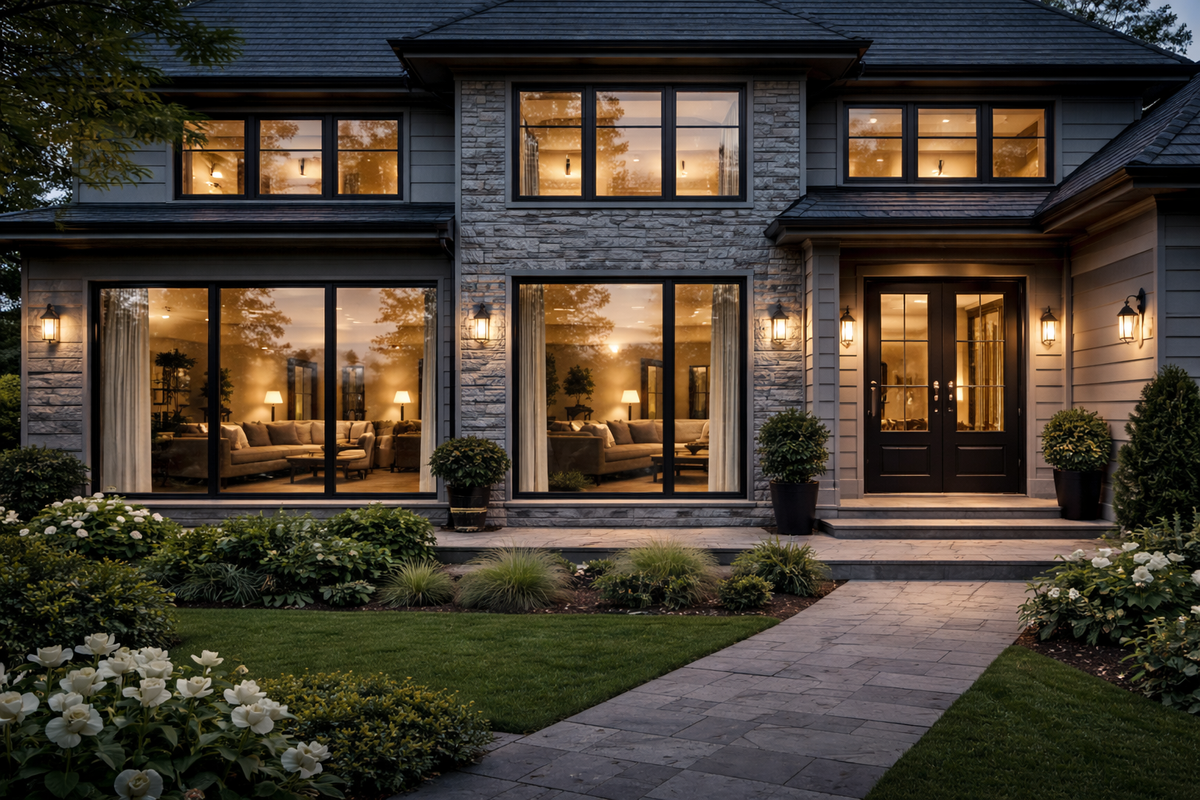
Why Film Choice Matters in the Bay Area
Homes in Dublin, Pleasanton, San Ramon, and the Tri-Valley face unique conditions:
- Strong afternoon sun on west-facing windows
- Large glass sliders and picture windows
- Dual-pane and Low-E glass in newer homes
- Privacy concerns in street-facing rooms
- Mild but persistent heat gain year-round
Choosing the wrong film can mean:
- Not enough heat reduction
- Unexpected nighttime privacy issues
- Reduced interior clarity
- Glass breakage
- Seal Failure
- Or paying more than you need to
Option 1: Ceramic Window Film (Best for Heat & Clarity)
Ceramic window film uses advanced, non-metallic technology to block heat and UV without relying on reflectivity.
Benefits
✔ Excellent heat rejection
✔ Blocks up to 99% of UV rays
✔ Very clear from inside and outside
✔ No mirrored appearance
✔ Minimal impact on nighttime visibility
Trade-offs
- Less daytime privacy than reflective films
- Higher upfront cost than basic films
👉 Learn more about heat and UV benefits in our guide:
How Window Tinting Keeps Bay Area Homes Cool & Energy-Efficient Year-Round
Best for:
- Homeowners who value clear views
- Homes with scenic or open surroundings
- East- and west-facing windows with strong sun
- Customers prioritizing comfort over privacy
Option 2: Reflective (One-Way Mirror) Window Film (Best for Daytime Privacy)
Reflective window film creates a mirror-like exterior finish by reflecting sunlight.
Benefits
✔ Strong daytime privacy
✔ Good heat and glare reduction
✔ Modern exterior appearance
✔ Often more affordable than ceramic
Important limitation
Reflective film works based on light balance. During the day, it provides excellent privacy. At night, when interior lights are on, that mirror effect changes.
👉 We explain this fully here:
Nighttime Privacy and Window Film: What Really Works (And What Doesn’t)
Trade-offs
- Nighttime privacy is limited without blinds
- More reflective exterior appearance
- Slightly darker interior feel
Best for:
- Street-facing living rooms
- Homes with close neighbors
- Homeowners who use curtains at night
Option 3: Dual-Reflective Window Film (Best Balanced Option)
Dual-reflective film is designed to provide strong exterior reflection while maintaining better interior clarity.
Benefits
✔ Daytime privacy similar to reflective film
✔ Less mirror effect from inside
✔ Improved comfort and glare control
✔ More balanced look inside and out
Trade-offs
- Still relies on light balance at night
- Slightly higher cost than standard reflective
Best for:
- Front rooms and large windows
- Homeowners wanting privacy without a heavy mirror look
- Homes that want a middle ground between ceramic and reflective
Quick Comparison Chart
Feature | Ceramic | Reflective | Dual-Reflective |
Heat Reduction | ⭐⭐⭐⭐ | ⭐⭐⭐ | ⭐⭐⭐⭐ |
UV Protection | ⭐⭐⭐⭐ | ⭐⭐⭐⭐ | ⭐⭐⭐⭐ |
Daytime Privacy | ⭐⭐ | ⭐⭐⭐⭐ | ⭐⭐⭐⭐ |
Nighttime Privacy | ⭐ | ⭐ | ⭐ |
Interior Clarity | ⭐⭐⭐⭐ | ⭐⭐ | ⭐⭐ |
Exterior Reflection | Low | High | Medium |
How Cost Compares
Pricing varies by:
- Film type
- Window size and quantity
- Glass type (dual-pane, Low-E)
- Installation complexity
In general:
- Reflective is usually the most affordable
- Dual-reflective sits in the middle
- Ceramic is the premium option
👉 For realistic pricing expectations, see:
How Much Does Window Tinting Cost in the Bay Area?
Which Film Is Right for Your Home?
There’s no single “best” film — only the best fit.
Choose:
- Ceramic if comfort, heat rejection, and clarity matter most
- Reflective if daytime privacy is your top priority
- Dual-reflective if you want a balance of privacy and appearance
Most Bay Area homes benefit from mixing film types depending on window orientation and room use.
The Bottom Line
✔ All three films reduce heat and UV
✔ Privacy needs differ by room and time of day
✔ Film choice should match your home — not a generic recommendation
At Low Price Window Tint, we help Bay Area homeowners choose the right solution based on real conditions, not marketing claims.